The Hidden Costs of Low-Quality Sourcing in Thread Guage And Thread Tap Tools
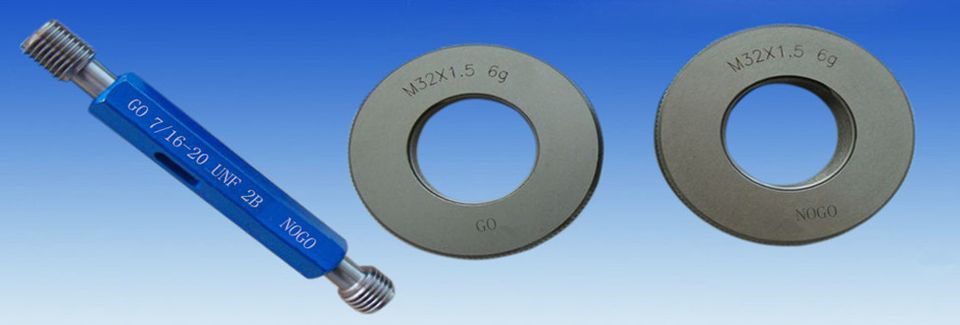
In the world of precision manufacturing, where thread gauges and thread taps are instrumental tools, quality should always be paramount. These tools play a pivotal role in ensuring the integrity of threaded components, and even the
slightest deviation from the required specifications can have costly repercussions.
The consequences of opting for low-quality
ACME thread gauges sourcing become starkly evident in the form of heightened risks associated with errors and defects in threaded components. When thread gauges and taps do not adhere to the requisite precision standards, threads
may fall outside the acceptable tolerance range. These deviations, seemingly small, can have cascading effects, causing components to no longer fit correctly. This unfortunate outcome necessitates rework, leads to an increased rate
of rejects, and, in the worst cases, can trigger expensive product recalls. The expenses incurred in rectifying these errors, encompassing both labour and materials, can rapidly accumulate.
In industries where the consistent and precise threading of components is of paramount importance, the repercussions of tool failure can be devastating. Premature breakage or wear and tear of these tools usher in unplanned downtime,
a financial drain characterized by both lost production time and revenue. Moreover, the necessity for frequent replacements of subpar tools not only adds to the procurement costs but also exacerbates the financial burden with increased
maintenance expenses.
Maintenance and calibration are essential aspects of using thread gauges and thread taps. Low-quality
Trapezoidal thread tap often requires more frequent maintenance and calibration due to their lower durability and precision. This not only results in increased labour costs but also the potential for inaccurate measurements if
the tools are not adequately calibrated. In industries where precision is crucial, inaccurate measurements can lead to costly mistakes and rework.
The hidden costs of low-quality sourcing extend beyond the immediate production floor. In industries with stringent regulatory requirements, the use of non-certified or low-quality thread gauges and taps can result in compliance
issues. Non-compliance can lead to fines, legal liabilities, and damage to a company’s reputation.
Quality tools tend to have a longer lifespan. This means that when a company invests in high-quality thread gauges and taps, it will not need to replace them as frequently. While the upfront cost may be higher, the long-term cost
savings can be substantial. Low-quality tools may need to be replaced more often, and the cumulative cost of these replacements can surpass the initial investment in quality tools.